Realizing your auditory clarity has disappeared overnight is a jarring and confusing event. The experience of dropping auditory function instantly, particularly in the lack of pain, is naturally jarring. Though certain triggers are transient and easy to resolve, others demand urgent clinical intervention.
Grasping the typical reasons behind rapid deafness and knowing when to seek for help is critical for your prognosis. Throughout this guide, we break down the nature of abrupt hearing loss, its potential origins, and the criteria for professional consultation.
What Is Sudden Hearing Loss?
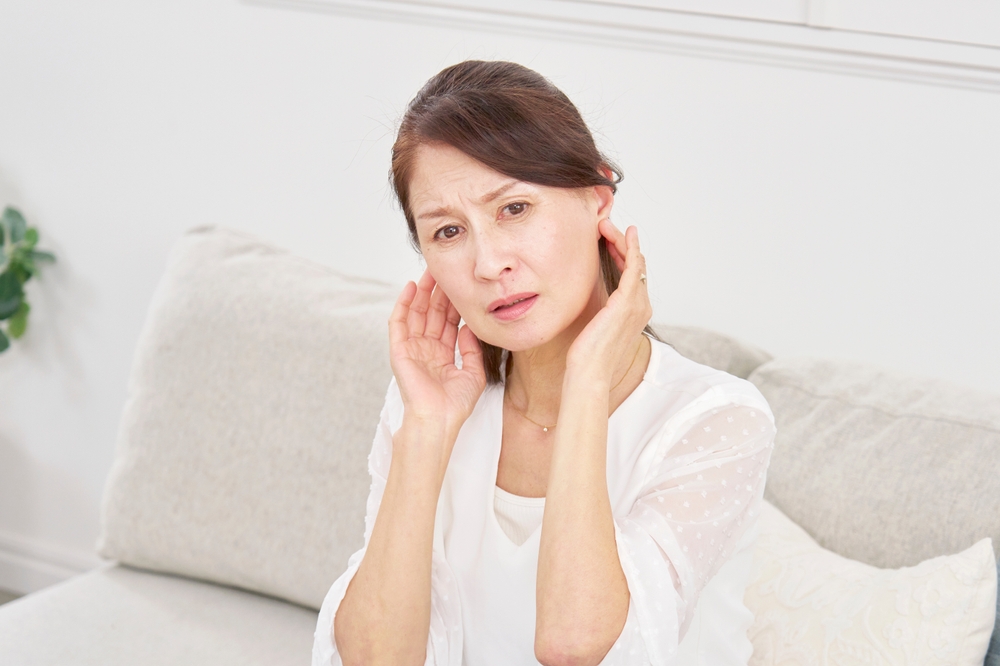
Sudden hearing loss generally refers to a rapid decline in hearing that occurs over a few hours or up to three days. It may impact one ear or, less commonly, both. Presentations include dullness of sound, persistent ringing, a feeling of pressure, or an inability to follow conversation.
Navigating SSHL: A Medical Priority
SSHL stands as one of the most critical conditions for an audiologist to investigate quickly.
This impairment occurs when there’s an issue with the inner ear, auditory nerve, or brain pathways involved in hearing. The origin is frequently idiopathic, though medical professionals identify several probable contributing elements:
- Vascular restrictions affecting auditory nerve function
- Systemic inflammatory catalysts or autoimmune reactions
- Viral infections
- Central nervous system abnormalities
SSHL is considered a medical emergency because prompt care can significantly improve recovery.
Viruses and Inner Ear Health
Viral activity often leads to swelling in the auditory canal, resulting in significant auditory changes.
Medical research connects the following viruses to rapid changes in hearing acuity:
- Viral cold and nasal infections
- Influenza
- The herpes simplex or zoster strains
- Likely auditory complications following COVID-19
You may notice hearing shifts as a pathogen resolves, often paired with a sense of imbalance or pressure.
Head or Ear Trauma
Accidental events such as concussions, barotrauma, or high-decibel exposure can damage the ear’s fragile anatomy.
Physiological damage from injury often stems from:
- Cranial trauma or concussions
- Sudden pressure changes such as barotrauma
- Intense acoustic trauma
- Fluid leaks or shifts inside the labyrinth
Auditory symptoms that follow even a slight head or ear injury require a specialist review.
Impacted Cerumen and Hearing Blockage
Though not as critical as inner ear causes, impacted earwax can still cause abrupt hearing changes.
When wax is the primary cause, the hearing change may:
- Develop quickly
- Sensation of fullness or pressure
- Impact one ear more than the other
- Clear up following the safe extraction of the wax
It is essential to remember that home evaluation is insufficient for determining the true source of sudden deafness. Therefore, seeking a professional clinical opinion is the best course of action.
Other Possible Causes of Sudden Hearing Loss
Secondary factors to sudden hearing loss may include:
- Medication side effects
- Circulatory or vascular conditions
- Immune-mediated inner ear disorders
- Rare growths affecting the auditory nerve
Undergoing a full hearing workup is the only way to accurately identify or dismiss these factors.
Sudden Hearing Loss: Why Early Treatment Is Key
The single most critical piece of advice for sudden deafness is to seek care without any hesitation.
Immediate diagnostic testing serves to:
- Pinpoint underlying issues that can be reversed
- Boost the effectiveness of treatment
- Protect against lasting damage to the hearing nerve
- Limit long-term communication challenges
Audiology testing plays a key role in determining the type and severity of hearing loss and guiding next steps.
When Rapid Hearing Changes Require an Immediate Call
It is critical to consult a professional instantly if you notice the following:
- Unexpected deafness occurring in one or both ears
- A loss of hearing accompanied by vertigo or lack of coordination
- Buzzing or pressure that appears suddenly
- Hearing loss after illness or injury
Though your hearing may seem to recover partially, a professional check-up is still vital for a full diagnosis.
Hearing Testing for Quick Answers
Audiology diagnostics can quickly clarify whether hearing loss is:
- Mechanical (related to blockage or middle ear issues)
- A sensorineural problem involving delicate neural pathways
- A transient condition or a permanent auditory change
Swift testing is the foundation for timely medical action and superior long-term results.
Prioritizing Your Auditory Health and Peace of Mind
It is normal to feel panicked by sudden deafness, but immediate professional help offers the best chance for success.
Upon noticing an unexpected change in your hearing, getting a professional evaluation can protect your hearing health and your peace of mind. Our team is ready if you experience sudden hearing loss: Call our care team as soon as possible at our office for the help you need.