Auditory decline frequently manifests as an incremental process, making it likely to be ignored during its initial onset. Many people adjust without realizing it by elevating the TV volume, requesting frequent repetitions, or avoiding loud environments.
Prioritizing an initial evaluation can help with protecting hearing health.
Recognizing Typical Early-Stage Hearing Loss Symptoms
If you notice any of the following symptoms, it is recommended to schedule a professional evaluation.
- Reduced clarity during social interactions within high-noise areas.
- A regular need of asking for verbal repetitions during conversation.
- Hearing muffled or slurred speech where sounds lack definition.
- Turning up the volume on the TV, phone, or radio higher than others prefer.
- Trouble hearing higher-pitched sounds, such as children’s voices, birds, or electronic alerts.
- The occurrence of tinnitus, characterized by ringing or buzzing in the ears.
- Feeling cognitively fatigued after conversations, resulting from the strain of auditory processing.
- Withdrawing from social situations as conversations feel overwhelming.
Preliminary indicators of auditory decline may appear in either one or both ears and fluctuate in frequency initially. Because the brain adapts quickly, many people fail to recognize how much they’re compensating until hearing loss becomes more noticeable.
Understanding Hearing Impairment Through Data
The World Health Organization estimates that the need for hearing support will affect 700 million people by 2050. Other noteworthy statistics involve:
- By 2050, nearly 2.5 billion people are expected to experience some degree of hearing loss.
- Over 5% of the world’s population (430 million people) necessitates rehabilitation to address disabling hearing loss.
- In excess of 1 billion young adults face the threat of permanent hearing loss due to hazardous acoustic habits.
- Among those over the age of sixty, more than one-quarter suffer from clinically significant hearing loss.
The Critical Importance of Early Identification
Overlooking auditory shifts may lead to systemic health consequences that go unnoticed.
Clinical evidence shows a documented link between untreated hearing loss and mental health risks, including isolation and depression.
Addressing symptoms at the onset facilitates a broader range of interventions and better long-term outcomes.
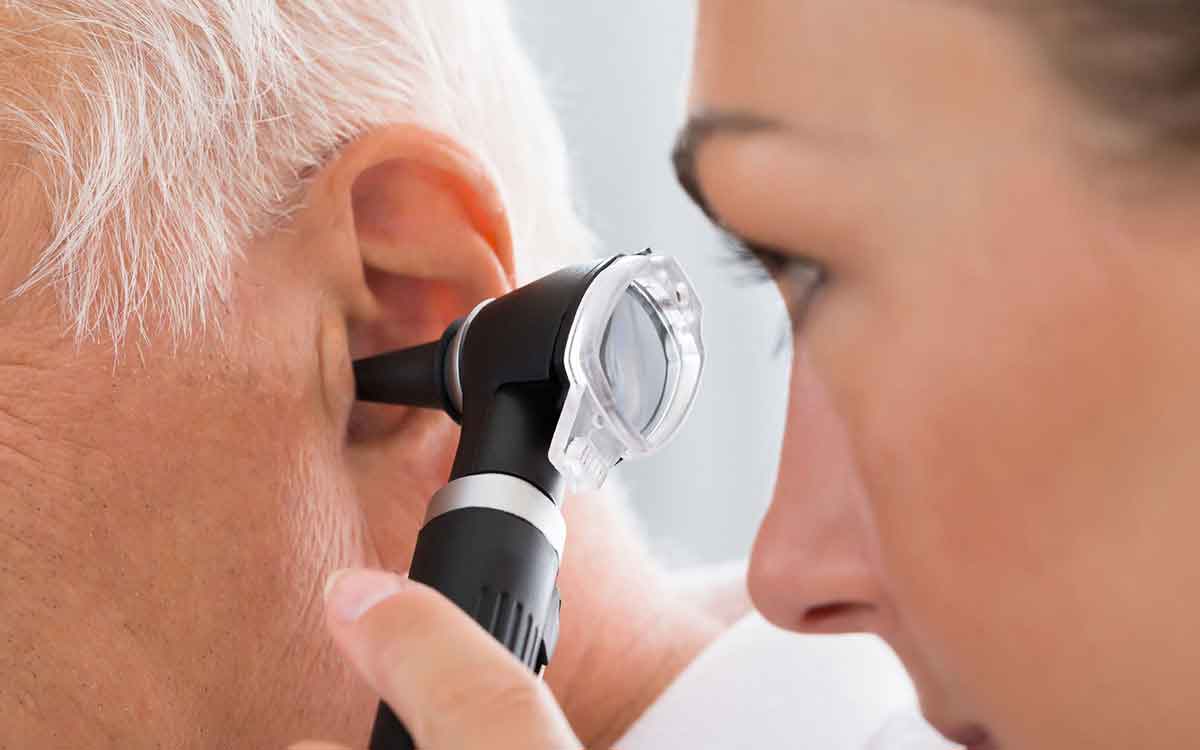
A hearing evaluation helps identify if shifts stem from age-related hearing loss, acoustic trauma, earwax buildup, infection, or another medical condition.
In some cases, hearing changes are transient and treatable.
Alternatively, early use of hearing devices or preventative measures can slow progression.
Recognizing the Need for Audiology Services
A clinical hearing assessment is recommended if you experience the following:
- Early signs persist for more than a few weeks.
- Changes in hearing disrupt occupational performance and social life.
- If you encounter acute auditory decline, dizziness, or chronic ear ringing (which requires immediate attention).
Hearing tests are comfortable and safe, additionally they provide critical data into your auditory wellness.
We encourage you to contact our facility if you feel a hearing assessment would be advantageous.
Frequently Asked Questions: Recognizing Auditory Decline
Question: Does hearing loss only occur with aging?
A: No, while aging is a factor, hearing loss can be precipitated by acoustic trauma, infection, or systemic health issues.
Question: Are there cases where hearing loss is reversible?
A: Some causes, like earwax buildup or infection, may be reversible. Other types are permanent but can often be effectively managed with treatment or hearing devices.
Q: At what intervals should I have my hearing evaluated?
Answer: Clinical guidelines suggest a baseline evaluation by the age of 50, or earlier if symptoms of hearing loss are noticed.