Auditory obstruction can be unsettling, often making you feel isolated from the community around you. Many people instinctively fear they’re experiencing permanent hearing loss when, in reality, the cause may be something much simpler: cerumen accumulation.
Distinguishing between a wax impaction and actual hearing loss is crucial for identifying if you need a simple cleaning or a formal audiological exam. In the event you are experiencing dull hearing, don’t panic. An exam can help you uncover the source of it, but in the interim, here’s what you need to know about canal blockage (also known as earwax blockage) vs. permanent impairment.
Identifying the Symptoms of Canal Obstruction
Earwax (wax) is a natural, protective substance that helps trap dust and debris and keeps the ear canal healthy. The difficulty begins when this material collects to the point of a tangible blockage.
Symptoms of a blockage often include:
- Progressive or abrupt muffled hearing
- A feeling of ear pressure or a “clogged” feeling
- Ear discomfort or mild pain
- Ringing in the ear (tinnitus)
- Hearing that clears briefly after yawning or chewing
Earwax-related hearing issues are often uneven, impacting one ear rather than the other. The positive aspect is that professional clearance usually ends in an immediate restoration of your natural hearing levels.
How Hearing Impairment Typically Presents
Permanent hearing shifts, often caused by age or noise exposure, are progressive and remain even if the ear is completely clean.
Signs of true auditory impairment may include:
- Trouble understanding conversation, especially in noisy environments
- Constantly requesting others to repeat themselves
- Setting media levels to a level that people find uncomfortable
- Diminished responsiveness to high-frequency sound input
- Auditory ability equally reduced on both sides
A vital distinction is that actual loss lacks the physical “clogged” sensation that follows an earwax impaction.
Contrasting Wax Buildup and Hearing Loss
A few basic indicators can help you ascertain whether you are dealing with a manageable obstruction or a more lasting shift:
- Timing: Earwax issues often come on abruptly; hearing loss develops gradually
- Sustainability: Obstructions are a quick fix, while sensorineural loss needs ongoing management
- Feelings: Tactile “plugging” points to cerumen, while the inability to differentiate sounds points to impairment
- Laterality: Wax often affects one ear; auditory impairment commonly affects both
Reasons Not to Self-Diagnose
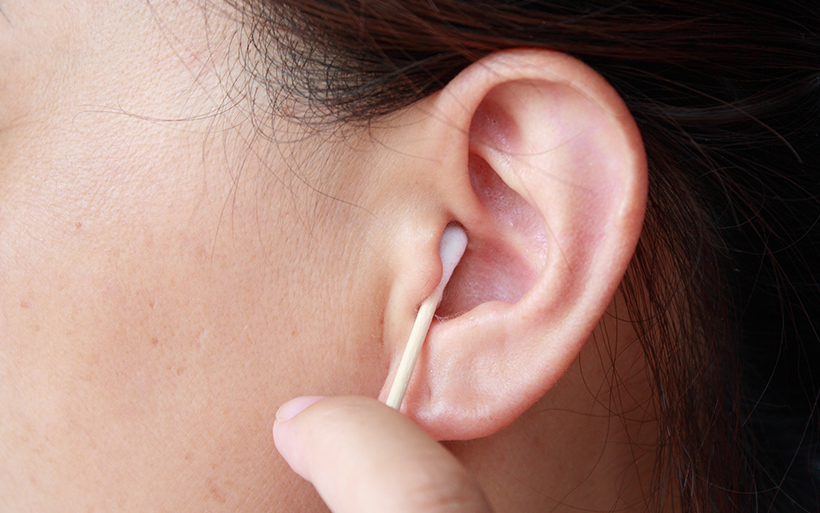
It’s tempting to assume earwax is the culprit — and reach for cotton swabs or store-bought kits. Using foreign items commonly pushes the plug deeper into the canal, heightening the risk of trauma.
Clinical research indicates that self-cleaning often results in accidental damage or increasingly complex impactions.
On the flip side, assuming a problem is just wax when it is truly auditory impairment can prevent you from obtaining the help you need to remain engaged.
Ways a Clinical Evaluation Assists
A brief clinical check-up is the primary way to confirm if wax is actually the cause of your dull hearing.
If cerumen is present, clinical extraction often resolves symptoms immediately.
If no cerumen is found, a diagnostic hearing test will be conducted to identify the type and extent of any hidden impairment.
The NIDCD advises immediate evaluation whenever changes in auditory function conflict with your daily routine.
Closing Points on Cerumen and Hearing Health
Dampened auditory quality is not a definitive sign of long-term loss.
Very often, the problem is merely an accumulation of cerumen that can be quickly resolved.
Our hearing care specialists can assist you to find the source of dull hearing so you can move forward with assurance and tranquility.
Ultimately, an audiology consultation is the single certain way to distinguish between a fleeting obstruction and a permanent change.
Finding the cause early protects your well-being and provides you with the comfort you deserve.
If your hearing seems off, don’t guess. A brief check can make all the difference, so reach out to our team of specialists right now.